| Whitfield Advantage Pellet Stove - owners manual | Whitfield Pellet Stove Public Relations Booklet - Advantage III, II-T, Quest ('95) |
|
Cleaning a Whitfield stove - company method Forewarned, remove exhaust fan and clean that area. Tons of ash end up there. Get a replacement gasket ($2) first. [site gone 8-2020] |
I have a number of Pellet stove manuals. Write to the address below |
| Whitfield
Profile CDS - electric eye New update - replace the electric eye with a snap switch ! Have it work all the time, but still have a safety. |
Astroflamm Integra manual Pt. 1 & Pt. 2 |
|
Cleaning your Whitfield Pellet Stove - Basics Remove and clean behind your exhaust fan ! ! Get the replacement gasket first. Then UNPLUG it. It's only 5 easy nuts. |
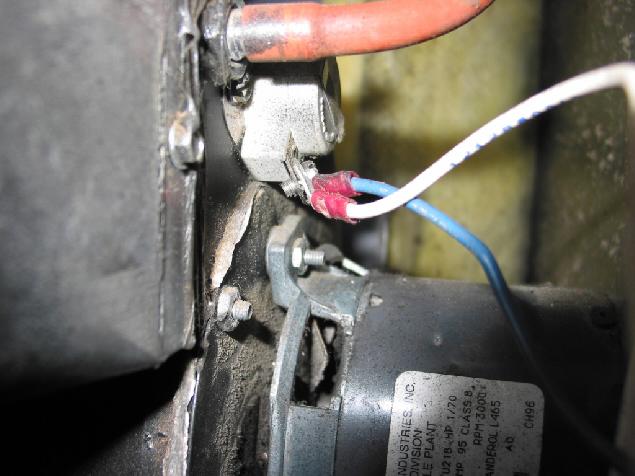
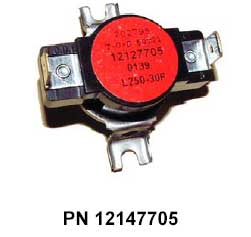
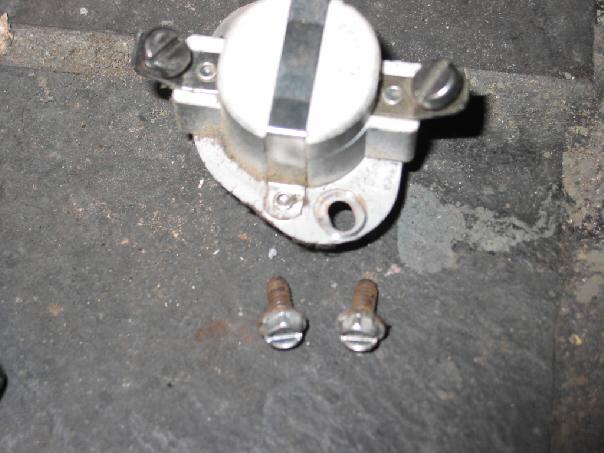
Replacing the "low limit" switch on a pellet stove |
|
Whitfield Pellet Stove Repairs (parts and control boards) |
Pellet stove
repair boards Various makers, they send you one and only the back that needs to be installed on your old front. |
|
Need parts - my controller
died (after 22 years) and they had it in stock ! stove-parts-unlimited.com (AKA Mountain View Hearth Products) |
Pellet Stove Control Board Repair |
| Merkle-Korff auger motor problem - 14 months of life |
Heatwave Electronics
(way cheaper to fix them) (heatwaveelectronics@gmail.com) 530-816-1110 I had mine fix by them in 2018. List of what they fix |
A Pellet Stove Forum on Hearth.com ! - Click here
Warning, this is for your knowledge only!.
I do not assume any responsibility to you or the safety of your property.
By-passing any safety features and you and your home can become ash!
This is what I have discovered and repaired on my own pellet stove.
Gas type fireplaces... call the gas company - period!
(2010 -
yea.. check YouTube.com for pellet stove and you'll find videos on how to clean
& repair
pellet stoves ! !
There are also a lot of places to buy pellet stove parts on
www.ebay.com and
https://www.amazon.com
Be wary of the prices,
cheap is not always good as I bought an E-bay auger and it only lasted a year !
Update Oct. 2018. I finally replaced my exhaust fan. The fire was not dancing as much, figured a very old exhaust motor. I remove the fan and ash everywhere, packed in tight. You should get the gasket first, unplug it, then remove the 5 nuts and clean by the fan. I did not get a photo of the massive amount of ash at the fan area ! ! After cleaning (with a fireplace vacuum) it runs like 1996 again. Do this every 2- 3 years.
Feb. 2018 - After 22 years of service, my Advantage III controller started to act funky. After cleaning the stove, I started it again and the fan and heat went to 5 and stayed there. Button would not work. After some 20 attempts it did run and ran for a month, but would go into LOW mode for no reason and no buttons would work. I pulled the plug and it would work right, after a few weeks I had to pull the plug again and restart. So I ordered a new controller from Stove-Parts-Unlimited.com and a few days later it's in my hands. I did wait some month and a half as the old one was still working and the temps were in the single digits for a few weeks. Finally in Feb, during a warm spell, I cleaned the stove and again, after the controller cooled down it would just go to full and not react to any buttons. So I swapped in the new one (takes all of 3 min) and the stove is back to running like it should. I still have the 2 original fans, on the third auger (the second was bad from the start, only lasted a year). I had this stove on a UPS since new, something you should consider. The batteries in these UPS can be replaced for $20 every 4-5 years.
Dec. 2016
Mike,
Oct. 2016 - Whitfiled would not operate. It
seems a mouse made a home by the control panel and ate/broke wires near the
control panel.
Stove was recently bought used and was out in the garage for
some time.
Not my stove. Mine is still running.
Updated Oct. 2012 - Hurricane Sandy... 8 days without power.
Jan '12: Dead auger
Nov. 2011 - DC converter / generator problems
I am the proud owner of a Whitfield Pellet stove, purchased in Aug. 1997. After 4 years of use, being on constantly from November to March each year twenty four hours a day, one day the stove stopped running. I tried to resolve the problem. There were pellets in the hopper, power to the stove and the RED "heat" lights were on and the RED feed light would blink on and off every few seconds. I also heard the motor run every time the RED feed light would to go on. I emptied the feeder and watched the action of the feeder screw. The motor would hum for the 4 seconds but the screw would not turn. I could turn the auger forward and back a bit, so the auger didn't seem to be jammed by anything. (I later found out the motor/auger is not bolted to anything and I was turning the whole assembly. So a pellet or other item could have become stuck between the auger and tube) It was February and cold and needed the warmth so I checked the tech page at the Whitfield web site (now owned by Lennox, that should keep the Pellet Stove department viable for years to come). No help but the basics I already tried. Their page stated that you should call a "professional" to resolve any other problems. The stove was installed by myself after years of having a standard fireplace, then a coal stove and now this pellet stove. It was also a Sunday, no one to call and ask.
Update - 12-'03: Your Whitfield pellet stove runs for only 30 min. then turns off even with pellets burning in the pot. Easy fix! Need a "low heat temp" switch. Gotta have heat. You can (for a couple of days) jump over the switch screwed on the exhaust fan to keep the stove running until the part arrives. Click here to see photos of how to do this (assuming you have tools, knowledge and the replacement part) Jumping this part will not allow you stove to shut off by itself. So if you need to turn it off... pull the plug.
Update: 12-2016: Whitfield Profile 30 with electric eye. Yea, they put an electric eye in a dirty area. First clean it, there are YouTube Videos that show how. If you NEED heat and can watch it, I have had someone short the connection, ONCE the fire started. You may need it in to begin (it provides resistance to controller) then I was told you can short that connection. I am checking out that they are simple "oil burner electric eyes" that go on Amazon for $6. Soooo watch out for "special Whitfield part" for $$$ that is just that standard part. If you bring it to a local oil repair store, they most likely have one for a few bucks more. UPDATE: 2019 - there is a replacement "snap" heat switch that will replace that problematic electric eye and instructions.
Personal thoughts: I get a number of E-mails about dead control panels. If you see my story, I have my pellet stove plugged into a UPS for back-up power. I am also thinking it has protected the control panel (about $280 + ) from various voltage surges. So my suggestion. Buy a $60 - $90 + or so UPS and plug the pellet stove into it. A standard "surge strip" has a $2 part in them. The UPS will have a very nice voltage filter PLUS if the power goes for a second or 5 minutes, this will keep the stove going and protect the control panel from various electrical problems. Remember, the stove will expel lots of smoke if the power is out even for 2 seconds.
This information may assist you in fixing any pellet stove.
They all work the same way. Pellet fuel is pushed (bottom feed) or dropped
(Whitfield and others) into the stainless steel grate. The dropping action
seems to make for more ash as you can see the sparks of fire fly as the pellets
are dropped. If your electronic boards dies, trouble, yep. I had lights and a
very quiet hum. No power, check fuses and there is usually an internal fuse.
But they don't pop from age, something is wrong and NEVER replace a fuse with a
higher amp one. The Heat Control seems to be a specialty item but as you read
below you will see the control panel may just make an electrical contact to
provide electricity to the feeder motor or fans. Fan speed is usually a
specialty item. Sometimes fan motors have two coils. One coil is for low, a
second coil is for medium. Both coils on will give you high. They might be
repairable, pull it out, or check the yellow pages for electrical motor repair
shops. The blower fans need oil! Oiled for life, yea. Like the tie rods on
cars are lubed for life or 70K when you replace them. Whitfield has little
rubber caps cover the front and back bearings. The heat controls (under and
over fire) are
bi-metal
physical contacts that should be available elsewhere. If you find that they
are defective, get a replacement don't even try to bypass until you find a
replacement. Check around, these are not specialty items to your brand, maybe
another stove company could help.
Auger motor bushings. Big hardware stores have plenty of copper bushings or
that's why there are specialty machine shops. My pellet stove cost, haaaa,
$1,829 when purchased it as an overstock from a California Hot Tub company, and
that included shipping. What a deal. You may have paid $2400 and for a small
part to disable and possibly need to toss it the stove. That would be a waste
of household money. If you have other information on Pellet Stoves, either a
link I can use or information I can post. Write to
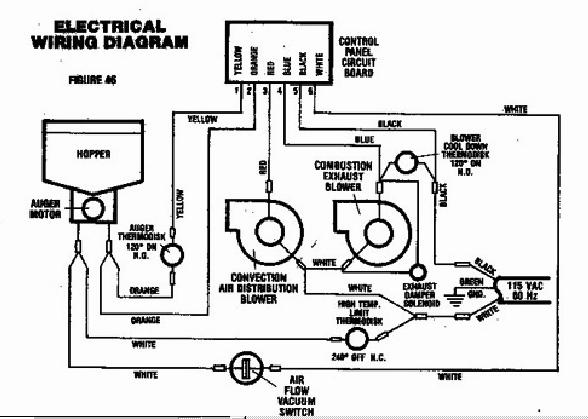
This is an image of an electrical circuit to a Winrich Pellet stove. More information then Whitfield ever gave. From this image you can see they also have heat sensors for high and low cut off. This is for reference only. The scan is not so good.
Link to Wood Pellet Stove parts for various models
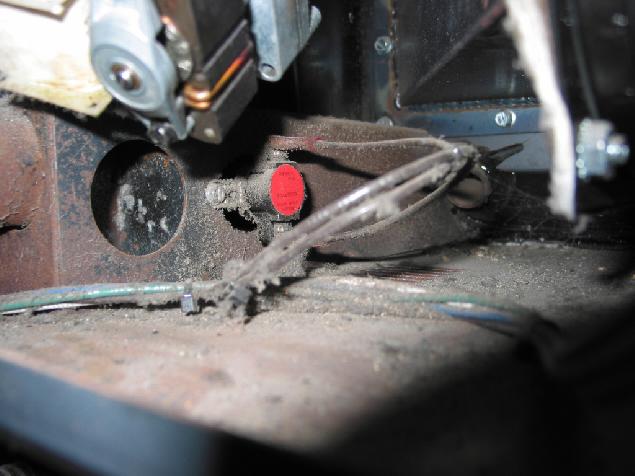
1. I realized that the motor and electronics were working. The two blower fans worked, the dual purpose of forcing air through the heat tubes (provides heat to the room) and pulling air out of the top of the stove to the exhaust tube (negative pressure). I saw the RED feed LED (light) would go on and off. This is basically an electronic board that turns on and off a small feed motor (120 volts - warning!) that is geared down and turns a feeder screw that pushes pellets into the fuel chamber. The feeder screw only makes a turn or two each time the light is on. The longer the light is on the more it turns and feeds more fuel. The electronic board (priced about $250) just creates an closed circuit to the small motor depending on the number of RED heat lights on. On only one heat light and every 10 seconds the feeder screw would make a 1/2 turn pushing in just 4 or 5 pellets. My pellet stove has heat setting up to five lights. On five, the feed LED light would go on and off every two second, pushing in many pellets. You would need the GREEN blower light on a very high number to keep up with the heat setting on five or the safety electronics would turn in and stop power to the feeder. An external thermostat works differently, it turns the feed and blower to low until the thermostat calls for heat again and the control panel returns to the previous settings. More on that later. If your "over heat" switch is broken (red label switch by back center - should be closed and provide a circuit below 200 degrees or so) your feeder motor will not get power, it seems directly wired to the motor circuit. Jump that and see if the motor feed. THAT "OVER HEAT SWITCH" NEEDS TO STAY UNJUMPED - get a replacement.
2. If your heat lights (or dial) are up above two and after pressing the feed light and the feed LED does not continue to blink, your high heat safety sensor could be broken. In the back of the stove, bottom center. It is a bi-metal switch that, when heated to a certain degree, will change from the "open" circuit (over fire) to closed circuit until the temperature is lowered. So this sensor will have two wire connection to allow electricity to flow to the feeder motor. Sometimes after years of use they could break. Basically it is the same thing used in a coffee maker. When this bi-metal element gets to a certain temperature, it turns off the hot plate until it cools and turns on again keeping the coffee to a certain temperature for hours. Over the years I have not heard from anyone about the "over heat" switch going. It's not like the "low heat" switch always going on and off with starting the stove.
3. Repair of my problem was my next adventure.
I pulled off the exhaust pipe, pulled the outside air tube to the bottom of the
floor ( I have outside air, actually crawl space air, feeding the stove from a
floor opening from a former fireplace) and moved the stove around to get to the
back. I'm trying to remember here, as this repair was done last
year. I did not photograph the repair, I was in a hurry and for some
reason did not have film that day. (days before digital !) Not good for a
photo nut not to have film. I removed the center back steel
plate. It's just a number of screws, the back slides up and out so you
really don't need to remove the screws. From that vantage point I could
see the feeder motor, the
feeder screw. It's not
anything fancy, just a small impedance motor (no brushes to wear out) that I
could see spin when the feed light when on. I turned on the stove without
the exhaust pipe connected. MAKE SURE YOU BLOCK THE EXHAUST PIPE OR ASH
WILL FLY EVERYWHERE WHEN YOU TURN ON THE STOVE!
Without any heat, the stove will
turn on for 30 minutes until the control panel checks a heat sensor
that close a bi-metal switch
(if the fire is hot enough) to ON making contact to the circuit board to
continue to run the fan. This is how the stove starts without a fire for
those first 30 minutes. If the fire does not start or the fuel runs out,
this switch senses "no heat" and does not continue the exhaust power.
Should your starter fire not get hot enough, a room full of smoke! How nice.
I usually have a chunk of fire starter stick and a half a hand of pellets to
start the stove. That works every time. If your stove turns
on, feeds and turns off (fan) when a good fire is still going and the stove
starts to "smoke" , that is your problem. It's a bi-metal safety switch
not turning on to continue the control panel. There is a safety feature
like this on your gas and oil burner. The gas burner safety is by the
flame of the water heater or furnace. No heat and that sensor cuts off the
gas switch after you push the "ignite" button. On an oil system a sensor
checks after a number of seconds, when there is a call for heat, if heat is
coming from the furnace. If not it shuts down as not to spray oil all over
the place. Furnace turns on with a timer, the bi-metal switch gets hot and
keeps the furnace running, no heat and the furnace goes into safety shut down
where you have to reset the furnace sensor. This was not my problem, just
explaining another one that the pellet stove could display.
If the feed
shuts OFF after a medium to high fire after many minutes, it could be the
"over fire" safety switch that is defective. Going off at a too low
preset. Follow the wires from the power controls.
There should be two, one for "over
fire" (RED) and one for "heat" (WHITE). The "over fire" is a
bi-metal that will reset after the heat is low enough. Don't know about
other stoves. Easy to check with a resistor checker. At normal room
temp the switch should be on (allow electricity to flow)
WARNING
AGAIN - THE WHITFIELD AND MANY OTHER STOVES ARE 120 VOLTS. YOU CAN
GET ELECTROCUTED IF YOU DON'T PULL THE PLUG!
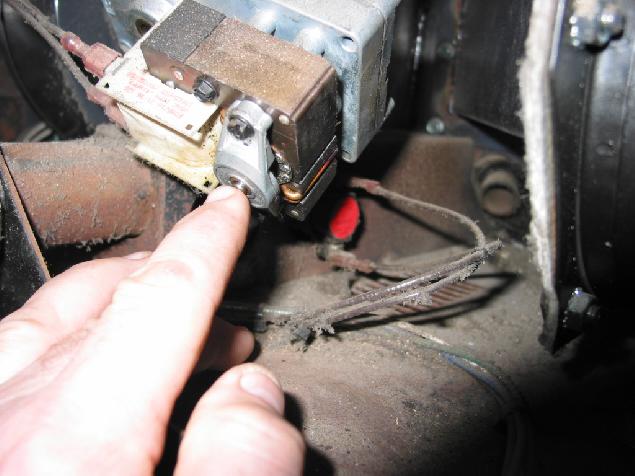
I then removed the power to the stove and placed the power plug next to me. A nice safety feature since once or twice I did not do that and have come close to getting zapped or killed since I thought the power was off to the item I was repairing. I remove the motor assembly to the feeder screw. Big time allen wrench was needed. Basically the motor, a small ac motor in a box, was attached to the feeder screw by an allen wrench. Don't know the size but if you are up to this point you should OWN a bunch of allen wrench sizes. Since this is American made, you don't have to contend with metric size allen wenches. Don't strip an allen bolt, real, real hard to get out. The motor actually just sits in it's position and is not bolted down or anything. There is a small space the motor can move back and forth and rubber bumper it sits on.
You will note, this is the problem, that the
motor faces up at an angle. With the motor, and gearing off,
I could turn the auger screw with no problem. That means nothing was
locked between the screw and auger wall. A twig or something else falling
into the auger could jam it good as the feeder motor is not made for power.
I CAREFULLY plugged in the stove again while watching the Pellet Stove control
panel to see the feed light go on and saw the motor spin but could not see the
main any of the other gears turn. Oh, oh. A stripped gear or
something bad. Knowing that this was a specialty item I assumed I was
holding $95 or higher priced gearbox that was dead. (I received a message
Dec. 23, 2001 that someone paid $107 for the motor and auger part from a link
then found on my page.) After removing the power plug again and placing
the plug by the motor location to make sure I knew it was unplugged I removed
the plug to the motor/gearbox assembly. (DO NOT TAKE APART THE GEAR BOX -
SOMEONE DID AND SPENT MONEY FOR A NEW ONE AS HE COULD NOT GET IT BACK TOGETHER)
I took apart the gearbox making note of what screws came from where. Writing
them on paper for correct reassembly. Opening the gearbox I find it full
of greased gears and no metal filings that used to be gears. I then noted
the problem. UPDATE: The fiber gears will (after some 5+
years will just wear out and then slip.. no matter how much grease is in them.
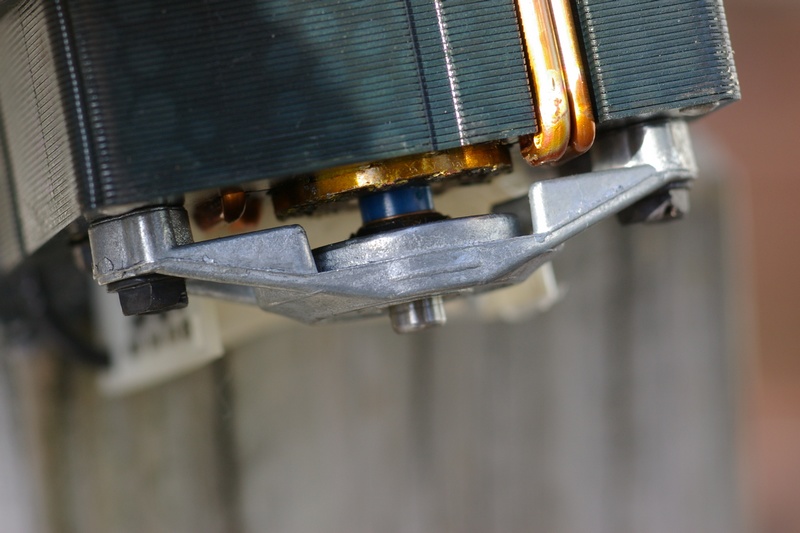
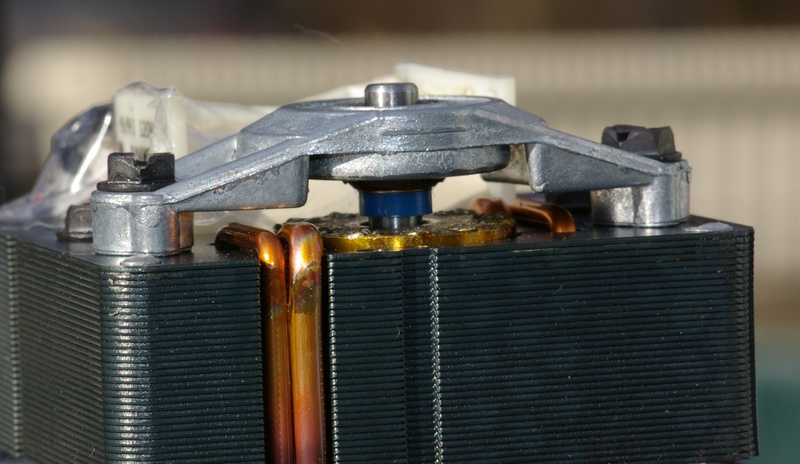
After 35,000 hours the bottom motor gear's "fiber bushing" wore out and allowed this tilted motor to slide down. This moved the motor with a gear on it's shaft to lose contact with the first gear. So the motor was just spinning, not making contact with anything. This was caused by the back of the motor facing down wearing out that fiber washer. I was very happy. The back of the motor came off like any of these simple motors with two screws and two through bolts. I went off to find a replacement washer to push the motor up and touch the first gear again. I was unable to find a fiber one but did locate a metal washer that did the same thing. The metal washer went towards the back bushing and the old fiber washer in front protecting the armature of the motor. You can't replace that bushing with a metal washer as it will wear and make electrical contact with the motor, shorting it out. I'm sure I could have gone to the store and found a replacement fiber bushing the right size. I applied some synthetic motor oil to that bearing location on the motor. The front part of the motor is inside the gearing area and had lots of grease to lub it. Whitifeld states the blower motor bearings are "lubed for life" but I oiled them anyway with synthetic motor oil. Just a few drops into the holes. I replaced the motor, the electrical contact to the motor, the back and took out the cloth blocking the exhaust. I placed everything back together and started the stove with only a bit of fuel in the hopper to check the movement. The RED feed light went on, the screw turned. Happy, happy, joy, joy. This took about 45 minutes of time, not including locating my tools and stuff.
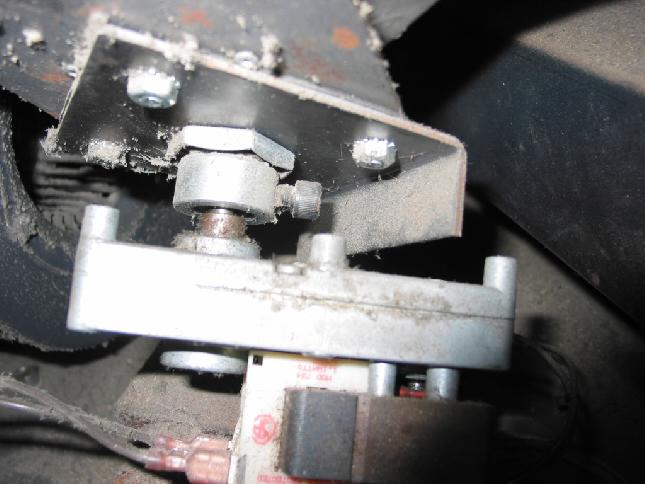
Click here to see photo 1:
I picked up two new auger motors on E-bay for dirt cheap. The blue washers is
visible and you can see the space needed.
This also shows the two screws holding the armature in place. They can be
removed to add a washer without tearing anything else apart.
Click to see photo 2:
The motor
upside down showing the space between the armature and the back.
Click to see inside of of a replacement
auger. Note; not much grease and the large end shaft has no grease on
either side of the shaft. If you plan to take off the cover, you must push
the main shaft through the cover. If you try to lift out the mail shaft
gear, a bunch of other gears will fall out, as well as washers and spacers.
Getting them back together will be very difficult.
Items of interest
I have a manual for a Lennox Whitfield, write to me for a copy
4. That was last year, February 2001. We have just turned on the stove this October 26th 2003 and I remembered I did not add this to my home page. I could have called some "professional" and replace the motor. Two house calls ($$$$ each time?) and the motor that I could only guess would be in the $80 range ($107) for a stove that cost $2400. I do not know if the "professionals" know this easy solution. I did write to Whitfield and noted their "problem". They responded with a form letter not stating they had any "design flaw". I can only state that the problem was: their fiber washer when gently pressed by a rotating motor wore out, that wear of the washer thickness caused a loss of contact to the other gears. Repair item would cost six cents. Depend on who changes that six cent item OR replaces the entire motor is your repair cost after 35,000 hours. Will it happen again, you bet. I will state that the auger and bearings supporting the auger are made to last. The gearbox has some thick metal gears that will last a real lifetime since they are also encased in grease. Good old U.S.A. quality! The motor has no torque so if something did get into the auger, the motor would just stop and hum. A jam could not burn out the motor as the system only requires a few seconds of power. Motors usually are built to shut down automatically if the motor overheats. That feed motor is indestructible, they are typical exhaust fan, shop vac and those types of motors. You know those types last for 20 years and this feed motor is only on for a few seconds every minute to feed the fire. The front bearing is in grease and the back bearing is copper but that back motor bushing will wear down. Whitfield states the blower fan and rear auger bushing is "lubed for life". The front and back auger bearings are copper and "oil soaked" but how many months are they on?. A drop or two of that SPT and synthetic oil sounds good there. Not too much, they are by the heat. Bottom feed stoves I would never oil the auger bearings. They surely get very hot. Anyone with information on bottom feed augers? There are oil holes on the fan, even covered by a cap on my model. They should go to an internal wick that holds lubricant by the bearing, and provide oil as it is used up. The electronics have lasted four years. Like any electronics in radios and computers they should last some 10 - 15 years or longer. The electronic controls are not by any "hot" areas and have always been cool to the touch, so any capacitors or other electronics that make up this part should not fail from the stove's own heat.
5. Electronic Thermostat - You can have a thermostat to attempt to keep the room temperature to a certain preset level. The thermostat I purchased was an electronic LUX. The manual states NOT to use electronic thermostats, 12 years and no problem?? Again the booklet or website provides no information as to why you can't use electronic ones. I think I remember it has to do with resistance, the electronic ones don't really break the circuit, just ups resistance. I guess this one does, it's cheap too, some $20 or so. The two stove wires go to W and RH contacts. These are CLOSED when the temperature is below the preset temp, acting just like the jumper wire in the back of the stove. When the room temp hits my 75 degree preset, the contact open and the stove goes into low mode, low blower and low feed speed that both blink to show you they are in forced low mode. Any type of furnace wire can be used to mount the thermostat in a location. Just use the same two colors at each end. It doesn't matter what color or polarity. Hence you can set the stove to 3 and when it gets to whatever temp you set, the stove goes down to low until it gets to below the thermostat preset then back up. You can even set the automatic setback timer to set higher or lower temperatures by day or weekends that leaves the house at preset temps that will work with your schedule. A simple contact switch hooked to the back furnace thermostat contacts can bypass the thermostat at any time and keep it on the pellet stove setting. If you use the thermostat bypass, it may just bypass until the next preset temp time over rides it.
Yes, the fuel you use, Stove Chow (best I found in North East but seem to no longer be in business) or other local brands, determines the amount of soot left over. I went back to Stove Chow. The Agway brand was not as good. UPDATE: Dry Creak pellet fuel in '03 is very good. UPDATE: Woodpellets.com For the past few years (2014 now) I get 2 to 3 tons, deliverd on pallets. I now have CLEAN FIRE - Pacific Blend brands the past few years and they are great. UPDATE 2016 - after years with Woodpellets I got tired of the many bags half sawdust due to a number of bags getting holes in them, then moisture getting in over many months. If you used them all that year delivered, maybe you would not have that problem. Plus their delivery company uses a huge fork lift that can't fit the pallet in my drive way. So I'm going local and buying Alleghney Pellets from them.
Yes, the glass gets dirty, many attempts to stop that have failed. Depending on my type of fuel determined how may days it would take to block the view of the fire. There is some type of "glass cleaner" that is suppose to help. Haven't tried it yet. (UPDATE: Rutland hearth and stove silicon glass cleaner. Gets it crystal clear, until it gets dirty again but wipes off with a paper towel for many weeks)
Yes I "OIL" the fan motor - I use an oil can with synthetic car oil. Heard long ago from another homeowner web site "someone had trouble with a cook top fan repeatedly squeaking. He finally used synthetic motor oil on the fan and no more squeaks every other month". The synthetic oil is great for HOT applications like that cook top fan and this fan right next to a fire blowing hot exhausts gases. Basically the motors have a copper bushing that was soaked in oil during firing. The oil is absorbed into the bushing and "permanently lubs" the bushing, there is "felt" surrounding the bearing that gets a shot of oil during assembly. The oil is absorbed towards the bushing when needed. There may or may not be caps to them. If no caps. remove the motor and turn on one side and drip a few drops by the shaft waiting a hour or more until the felt absorbs it and then a drop. After many hours 4 or 5 drops on that side should have absorbed, turn to the next. Or you could c-a-r-e-f-u-l-l-y drill small holes into the felt holders or disassemble the fans if they squeak. Don't blame me if they don't go back together. That is a last resort.
Do you have baseboard heat. A 75% of STP motor oil treatment (yep, that old sticky gunk) and 25% synthetic motor oil and my old furnace guy swears he never had to replace the hot water pump bearings he's worked on for some 20 years. That's my mix, he used straight STP, kind of hard to pump that through those oil cans.
My owners manual says have a "professional' check out the stove each heating season and to oil the blower motor each year but Whitfield now states that oiling the fan yearly is no longer necessary. The oil holes are on my blower motor, they may not be on yours. I just dust off mine, oil ever other year and bring on the two tons of fuel I use each Nov. to March.
I just read the Whitfield on-line manual. They require an Adobe Acrobat plug in but with modems it may take some time to download that program and then more time to download the big manual file. You can then save it to your Hard Drive after you download it. Their manual shows a metal the outside air pipe and end 45% bend. I would make sure that is covered with a screen or wrap a plastic or metal screen at the end of the heating season or bugs will use that as a hiding place and cut off your air supply making the fire a "slow burner".
This stove basically heats my one floor 40' square house in New Jersey. I have a "more power" UPS hooked up to this stove. It has saved me a few time went the power died. As you see from my other pages my two additions were done with 2X6 walls and insulated 10" floors. A unheated crawl space is below the main house, but the furnace is located there keeping it around 40 degrees in the winter. No insulation under the main house but wall to wall carpet. My oil furnace uses about 100 gallons a year which includes all domestic hot water. My pellet stove is on 24/7 from Nov. to March. It is usually on heat #1 but when the temp drops below 25 it goes to 2 or 3 during times were are home and awake. Fuel is about $3.75 per 40 lbs. when purchased by bag or $3.30 per bag by the ton. Delivery is $18 per ton (well worth it as the discount purchase price is during July or Aug. and a hot time to throw around bags) and they are stored in a portable wood shed. I have a rather large 5 inch hole the floor that did provide "outside air" to a former fireplace in the same spot. I have a hose connected to a shop vac in the crawl space and through that hole an "outside air" hose going to the crawl space. When the fire is out I vacuum the ashes to an old basement shop vac. Twice a year I empty it and clean off the air filter. Makes stove cleaning a dream. (NEVER DO IT WITH HOT ASHES - EVER) A extension cord to the shop vac runs through this floor hole and I just plug in the extension cord to the wall to turn on the shop vac when I need to clean. I let the stove die for 15 min to cool, clean and startup by 20 min.
Contacts: (Chris Greenwell, San Francisco, CA) stated: < I have a whitfield stove and the problem was that the pellet screw wasn't turning (feeding the pellets). Out of frustration, I took a coat hanger and jammed it in and out of the tube where the pellets fall out. Much to my delight, it actually cleared away some clogged pellets and the screw started feeding pellets again! So now I have heat! I saved myself some loot and now I can be warm instead of cold. I really appreciate you taking the time to write me though. >
Quick fix - My stove started to act like it was on heat 2 or 3. Lots of flame when on heat #1. I used a screwdriver and turned the + / - dial by the feed screw. Just a bit back and forth. That fixed it. It could have been that the contact on that variable resistor was lost/dirty and feeding at the max rate rather then the middle of the range. Now the stove is feeding correctly again. Great when the temp is around 40 degrees.
HEATWAVE ELECTRONICS:
After Steve repaired his auger with my
$.06 repair he sent out his controller for a repair to Heatwave.. this is his
response:
<<< Emailed Janet and got a prompt email reply. She wanted me to
call and speak to the tech (her husband Jim).
Nice guy and he knows his
PCBs. Packed up the board and sent it in Priority Mail from NM to CA delivery in
2-3 days.
check the USPS tracking page and saw when it was delivered but no
email from them to tell me it was. Waited a couple
days and emailed to
ask if the board had arrived but got no response. Finally gave in and called.
Jim said the board was fixed, tested, and had already shipped out. Would
have been nice to get
that in an email with a tracking number. Board
arrived today. Was well packed and here's my opinion...
I can't tell that
Jim was even in this assembly which deserves a round of applause and sustains
what
I already had thought about his skills from speaking with him. I am
impressed with the quality of his work
and the care he takes.
Installed the board and the II-T fired right up and us burning as I type this.
Anyone who has a control board problem (not just Whitfield) should box it up
and send it to Jim with no worries.
As Jim tells it, the power supplies on
the boards are marginal to begin with and they all will need to be
repaired
or upgraded sooner or later. I'm gonna send my replacement board to Jim and have
it done
before it even fails so I have a reliable spare... now that I spent
megabucks last year when I needed it.>>>
Fire going out after a hour -
Smoke Smell cure?
If you ever get an infiltration of a smoke
smell, not smoke itself but rather a heavy smoky scent - It is more than likely
the failure of the gasket on the door to your ashbin below the firebox. Mine
failed but I never thought much of it until this smell invaded my house....the
blower must have been pushing air through that area and "freshening" the air
with the lovely smell of smoke. If you miss that fireplace scent in your house
than that is one surefire way to get it.....
More on smoke smell
Thanks for the suggestions, I think last night I found our issue. While cleaning
the ash out last night I noticed that ash was falling in front of the ash pan
door as I was scooping it out of the inside. So I looked very closely and found
a small screw sized hole on the deck that came out in front of the ash pan door.
I don't know if there was a screw there or a spot weld or something that we have
knocked loose in our cleanings, so I put a screw in the whole and the smell is
better. Hopefully that was it, I looked at the booklet on the stove and it does
not show a hole there? Any way thanks for your tips! Thanks Carrie
Hartman Pellet stove - fuse blows
I went though every wire to check for shorts.
Checked all three motors individually with 115 volts. All were working fine. So
as I did process of elimination, I found that the large circuit board was
shorting out. I changed both boards. I paid $96.00 for the bad order feed motor,
Which I first found to be open circuited. $292.00 for both circuit boards. I did
the work by myself.
Dead Circuit Board
My Sister purchased a used whitfield II pellet stove insert. I forwarded
your page to her (her address copied above) . She had a TV repair
tech resolder her circuit board (It had a loose capacitor from the move to her
house)
No Feed
Whitfield Profile 30 / Profile 20
Has anyone else done this bypass surgery on a Profile 20 or Profile 30?
Someone replaced the electric eye with a snap switch that closes (proof of
fire) at 140 degrees.
No Feed - another story with a happy ending
Gerald A.
No feed with motor running (my $.05 fix)
I purchased a nylon spacer from Lowes..
Cut with hack saw to 1/8" thick. Sanded smooth.
Worked fine. Stove back
up and running.
Feed auger would get stuck
thank you for writing back so promptly I removed the auger and
found burs on the sides of the auger which I removed with a grinder, the motor
seems to be working fine. What kind of pellets should i be using ?
The pellets I have came with the stove I'm sure they are
old this is probably the problem (old pellets can grab moisture and become soft,
possibly squishing between the auger and tube. New pellets are very hard)
thank you for your knowledge
Another auger stuck problem
You would need to remove the auger motor from the auger. A photo on my page shows the bolt connection.
Cleaning the stove
One thing I did not mention.. when you clean... bang
and bang a lot the insides and back. I have received a few E-mails with "slow
burn" that was resolved because their stove did not allow getting the back metal
parts off. Getting a powerful vacuum cleaner (watch shop vacs, their
filter may not catch the fine dust) at the back corners and banging the metal
(not denting it) and the ash finally fell and was able to get removed allowing
the fan to suck out the air again. Be careful as ash will start to
fly
New circuit board
Here are a list of things that the service man has done:
1)The first thing he did was clean behind the fire bricks and also through the
vents behind.
2)He also passed a cleaning sponge through the straight exhaust pipe to
the outside and there was dirt but no obstruction.
3) He has oiled both fans.
4) He has unplugged the old exhaust fan and temporarily replaced it with a new
one. When it is plugged in, it does the same thing: runs fast on 5, but spins
considerably less on any other setting below 5. By this he deduces that it's not
a weak fan but a bad signal going to the fan.
He replaced the circuit board and the stove is working properly again.
See the links to getting the board FIXED or REPLACED by two different places.
Cleaning Glass
Reliant Pellet Stove parts
<< The Phone number that is listed on the Internet for Reliant Pellet Stoves is
incorrect. I called the number that is listed and got a pellet stove company
in California. It was through them I received the correct listing for American
Energy Systems from Minnesota. This company carries parts for the Reliant
Pellet Stoves.
Their number is: 320-587-6565 or 1-800-495-3196. My husband
and I have been searching for parts for our pellet stove for over a year -
we've taken our stove to several dealers and repair shops but each time all we
were told was that the manufacturer went out of business and parts are no longer
available for the stove we have. I didn't think of going on the internet for the
info I needed. This morning I finally did and found the parts in less than an
hour - thanks to you for the info you have posted on what to look for when
problems arise with pellet stoves. >>
12-6-'05 - Price for control panel near Scranton PA, $350
Stove Keeps Going Out
Fire going out - I told her to check the
exhaust air coming from the fan.
After getting your e-mail and checking further on my chimney, I
discovered that there was no exhaust pressure outside. I stopped the
stove, let it cool off and removed the chimney from the back. Started
the exhaust fan and there was nothing coming out of it. So I removed the
fan from the collector manifold and it was dirty inside, cleaned it well with
the shop-vac, reinstalled the exhaust fan and tested it. Still no
pressure. Took it out again and decided to remove the manifold from the
back wall. There are openings on both sides, left and right and they
lead to the suction openings behind the air tubes on top. There was my
problem. The suction tubes for the exhaust fan were blocked. They
are quite hard to reach. With a coat hanger wire I managed to poke in
from behind the air tubes and loosen the ash. Using a flat adapter on
the vac. I squeezed in between the side and the last tube and sucked out
what I could. But it was not enough. After removing all I could
from the top on both sides, I returned to the back and started from the
opening where the manifold attached. Did the right side with the hanger,
poking and sucking out with the flat attachment and also tapping the metal
back with a small hammer loosened a lot of creosote. So after the right
side was clear, I started on the left which is another story to access with
the vac because you have the auger in your way and also the air fan on the
right. I made sort of a U with the hanger ,inserted one end and by
pulling the other in a poking motion, manage to loosen a lot of soot.
Problem was that I could not use the vac, no room. I finally found a
solution. I used a 1 1/2 foot lengh of automotive 3/4 in heater hose,
greased the end and inserted it on the flat attachment for the vac.
Using this, I could work from the right side, bend the hose in a U and suck
out of the left tunnel. It took me a while working from the front and
the back,but I finally managed to clear it. Put the manifold back in
place, coating the paper gasket with Permatex gasket maker, reinstalled the
exhaust fan, also using the Permatex, plugged the stove, put my hand over the
fan outlet and started the fans. What a difference, lots of pressure.
Reinstalled the chimney and started the stove with pellets. The stove is now
performing as it should. My damper is only slightly open, feed at mid
low, beautiful flame and heat. And now I get a lot of response as my
flame really jumps when I open the damper. So that was my problem and my
solution. Because I work the stove for about 5 months at low, I guess,
ash build-up is heavier. So next year I will perform the same clean-up
at start-up and enjoy my stove for the whole season. Thank you very much
for your coaching and tips
Stove always on low -
Again... it's the jumper switch on back OR the wiring to that jumper switch !
One owners valuable fix.
The problem with my Whitfield Advantage II pellet
stove. Having just purchase this unit used and knowing it was only working on
low and not knowing anything about pellet stoves it was a challenge to me to
fix it. What I mean about only working on low is low fan speed and low pellet
feed no matter where you set the fan or feed. I read your web site for help
and tested all the temp sensors and the pressure switch with all checking out
good. Ok so now what due I due? Well I read over your pages again and found
that an external thermostat could be used to control the stove. That gave me
an idea so back to the shop for more testing. First thing I did was unplug the
stove next I took the back cover off and looked at the wiring from the control
panel (circuit board) down to the thermostat connection. All of this tested
OK. So I went to the thermostat connection it self and looked at the jumped
lead. It was there. I decided to pull the jumper out, it was not making
contact to both thermostat connections. That was the problem. I made a jumper
lead to connect the two wires together on the back of the circuit board and
that fixed it. The snap type connector on the back of the stove for the
thermostat wires to connect to was cracked and that is why the jumper did not
make a connection. It works fine now, not bad for a 10-cent fix on a stove I
paid $450.00 for one week before. I hope this helps somebody with their stove.
Thank you for yours. Glenn Fresno,ca .
Problem with fire:
Well I'm finally through with that bag of pellets and its back to working
fine!!
Guess you can have a bad bag of fuel !
Hi Michael,
<<<
Smoke from Stove: >>>Feeder not working right: <<< I found my problem was the venting. I had four 90 Degree elbows. Apparently
this causes problems with the combustion fan not having the strength to properly
vent. I just went up three feet then straight out and it seems to be working
properly. Its been a full time job with this stove. I hope I can relax now for
the winter. Thanks again for your help.
Replacement rods in pot
<<<Stove not feeding enough
pellets, stove would quit if not on 4 or 5>>>> It took a few more days to get the brass
bushing (finding the right guy to talk to), and a few more days to run the
pellet stove to make sure the problem was fixed. The new bushing did
fix the problem. It cost $4 with shipping included. It only took
minutes to replace. I have four bags through it now with no problems.
It was locking up about every 1/3 bag.
Hi Mike,
I removed the motor and auger assembly and when I looked up the auger cavity I
found a ball of thick string stuck up there. I took a coat hanger and removed
it. The stove is working great now. I probably saved myself a $100 dollars or
so. I'm guessing that when they fill the bags with pellets it probably got
tossed into the bag. Thanks again for all your help
This might save someone a bunch of bux.
Several of the more centered rods in our Whitfield Advantage Ultragrate were
about burnt out. Checking at replacement costs, I almost had heart
failure. A friend suggested I simply replace the near burnt out rods with
sections of drill bits.
Checking the grate, the rods are welded to the body on one side. Grinding
off the weld made it easy to tap out the worn out rods with a drift and
hammer. Next, after searching through the dull drill bit box, I found
several old bits slightly larger than the holes for the old rods. Tapping
the shank end in first resulted in little if any of the actual bit portion
being exposed. The protruding ends were scored with a hack saw and broke
off.
I have used this grate with the "new" rods for several months now and there
is no sign of wear. This sure beats the price of a new grate.
Hope this helps someone, Mike (not me)
Thursday, January 11, 2007
Mike,
Just a quick update.
Took apart the auger system and inspected everything.
I could not see anything that would be restricting the pellet feed.
The feed tube was clear, etc.
Thought possible that there may have been too much slop in the bushings
for the auger shaft but unsure.
I removed all the pellets from the
hopper and visually inspected were the pellets drop into the auger system.
Everything looked fine.
I also verified that my auger motor
was working to the specs that were in the manual you sent me (rotation per
minute, etc).
Decided to see if maybe it would work
after being disassembled and reassembled.
I put everything back together, primed
the auger and hooked up the motor.
Of course now it works fine.
I have no idea what was causing the problem, possible jammed pellets
from all the sawdust, etc. Really
don't know. Once again, thanks for
all your help and the manual.
After a few days... problems again.
The problem is in the bushing combined with
dusty pellets. The old bushing developed a wear ring as it turned against
the plate that holds the auger in place. The wear ring had a sharp edge
that would lock the auger from sliding up and down along its length.
Eventually the dust would stick under the bushing flange and lock the
whole thing up because the auger could not rise to release the pressure on
the bushing flange. If you want pics I can send them..
Squeaking auger / pellets getting stuck
I have a Winrich
pellet stove which rather suddenly stopped feeding pellets. It would feed
briefly and then stop altogether, but that only lasted for a very short time
until it completely failed to feed. First thought was a jammed auger, but I
turned it backwards and forward by hand pretty easily, so it wasn't a jam. I
then watched the auger motor as I hit the manual pellet feed button. I could
hear a slight hum, and the motor spindle might turn and then stop. I could, by
hand, get it sometimes to turn again and it might go for a few seconds and then
it would stop again, while the motor still hummed - so it was getting juice. I
took the motor off and checked it out (bushings, etc.) and all looked fine. I
then took off the auger gearbox by removing the retaining bolt that holds the
gearbox spindle to the tail of the auger. I then carefully opened the gearbox
and quickly saw that the gears were dry and all the grease was in one little
ball. After carefully noting the positions of the gears, washers, and nylon
bushings, I disassembled the gears and applied grease. After reassembling the
gearbox and getting it and the motor back on the stove, all was fine. The
problem was that the gears were too dry and the friction thus too strong for the
auger motor. Note that the auger motor and gearbox on this stove are nearly
identical to the ones in the links above for the Whitfield.
However, I decided that since I had the motor off, I was going to check the
augur. I took it out and cleaned. I lubed the parts and replaced the motor.
When I prepared to dump the pellets, I noticed that the augar looked
different. It appeared tight or closer to the bottom of the hopper. Before
the auger had enough clearance for pellets to get between the bottom of the
hopper and the lowest blade on the augar. Now the clearance is millimetres.
I've concluded that the augar blade was loose and the squealing was caused
due to the auger not being completely fitting into the top of the stove.
It's been running for over 4 hours now without a hitch. *tapping head* Knock
on wood.
- no voltage going to auger motor.
This connection also goes through the chimney pressure switch. If that
kicks off due to a broken switch (always on - off if back pressure) no power to
the auger motor. So if you get some pellet feed and after a few minutes,
no pellet feed, it could be that pressure switch because the chimney is getting
clogged but not all the way.
Poor fire and fire kept going out
Mike,
Just to give you a follow up on my stove adventure. It is
working great now. As in
Real Estate, location, location, location is the key. Apparently the house this
stove came
from had the air intake from under the house, through the base. I have no
opening in my
floor for the base to suck air. Sitting on a stone slab made for stoves, it
could not get
any air coming into the firebox. With a long bar, I was able to bend a plate out
of the
way so now it sucks air into the stove without a problem.
I like it so well now, I am purchasing another stove, exactly
like mine, for $375,
including delivery. It supposedly has a bad switch for the "on-off". I plan to
use it in
my shop, or as a parts stove if necessary.
Thanks for your help,
Pellets not dropping all the time - fire going out.
Told them to get a fiber washer. He was not too mechanical but was going to try it.
Mike,
Wanted to say "thanks" so much for your reply . It took a few days (we had
a snowstorm) but we did get to a "real" hardware store, got the bushing, fired
her up and have to say we're running better than ever. I guess it was
problematic before we actually realized it.
Yep: great advise. My stove just quit operating properly, would cut out and auger would NOT turn. I Emptied the hopper many times and cleaned out and manually turned the auger. Would then work until turn off and then back on. My fire was NOT bright and dancing. Then read your input on cleaning the screen on the outside pipe. Sure enough, was half plugged. Stove immediately worked. Fire was big, bright, hot, did NOT need to adjust air intake. What was happening , was exhaust was not exiting properly and the fire was inconsistent and chinking the pellets causing smoke and soot and heat to go UP the auger drop making the auger not wanting to turn. NOW is perfect. Thanks Larry
Pellet stove stored - would not work after long storage
Because the pellet stove sat in a barn for so
long it was exposed to some moisture. The auger was corroded & froze up. I took
the auger out & wire brushed it to clean it all up. The motor still was not
spinning properly. after sanding the shaft on the motor & lubricating it, it ran
just fine!
Thanks for all your help!
Kevin
Auger getting Jammed I just wanted to
let you know about my adventures with my Whitfield Pellet Fireplace Insert.
It is a 1992 advantate II or III. The motor turns the auger for a while
and then it seems to jam up. I pulled the auger out and saw that there was
no debris getting in the way. Reinstalled and put in new pellets and the
same problem returned. I noticed that the problem was worse when the
hopper was full. When it was almost empty, it seemed to operate ok, just a
little slow. If I reach back and pull the motor/gearbox over, it will dump
a pile of pellets. Although, it took a lot of strength to pull it off the
stop bar. Once I got some play, it would move pretty freely. Once
the motor turns back around it will jam after about 30 seconds.
Mike, one guy on your site seemed to have a similar
problem and found the fix by replacing the bushings. My bushings looked
good and I did not see any groove. I called Lennox and their tech person,
Randall was easy to reach and helpful. He told me to get all the pellets
out of the hopper, remove the motor and than hit the auger shaft with a hammer a
few times. This would pop the upper bearing back into place and would most
likely fix my problem. He also told me that they do not sell the upper
bushing which can not be removed, only the lower one which comes with the plate.
So, I emptied the hopper and removed the auger
again just to double check that everything looked normal inside. Then
reinstalled it and hit the shaft with a hammer a few times. This did not
seem to fix my problem. So, I ordered the lower bushing with plate from
Lennox. The new plate is "upgraded" with a plastic bushing that has a nut
on the back side. My old bushing wobbled in the plate so I was happy to
see that it could be locked down. I am not sure how long that plastic
bushing will hold up, but we will see. The bushing seemed to be installed
backwards on the plate. The nut was on the inside of the plate so that,
once installed, the pellets were getting crunched up against it. Mike, I
found a picture on your site that showed the nut on the motor side of the plate
and reinstalled it correctly. That seemed to do the trick.
I have run the stove for 24 hours now and
it seems to be working great. The lower bushing and plate is called the
Auger Flange and cost me $77 with shipping to my local store. The plate
even has a small piece of foam on it which seems to cut down on the noise of the
motor. Thanks for all you help both of you.
Charles
Santa Rosa, CA
This is a Whitfield Profile 30 - Same problem, motor washer worn
I just had to replace the bushings on my Whitfield Advantage 2 that I have
used for about 13 years every winter. When I purchased the lower bearing on the
auger I found that You cannot order only the bearing but you must buy the NEW
REPLACEMENT KIT that includes the Iron plate that could never wear out in the
first place and the bushing that come with it is NOT BRASS but PLASTIC !!
The Kit cost me $82.00 plus change. Just out of curiosity I went down to
my local hardware store and found the EXACT bushing that fits perfectly for
$2.50 !!!! IT is BRASS !! I used my old bottom plate and the new BRASS
bushing and returned the $82.00 kit.
Moral of this story is to be a little creative and shop around you might save
yourself some money. I also ordered the replacement motor for this stove on Ebay
and got it for HALF PRICE.
-- NO POWER AT ALL WHEN TURNED ON --
Mike,
Thanks so much for your suggestions. When my son pulled open the door (it was resisting a bit) to expose the back panel, lo and behold, the plug popped out the one to/from the blower motor, that is. Apparently it had come loose enough so that there was no connection when the Start button was pushed. He simply plugged it in securely, and the stove is fine.
So glad we didn't call the repairman for $229.00 to walk in the door. And now I have the repair manual as well.
Many, many thanks.
-- Stove will not stay light --
Mike
Just thought you would want to know. You were right to some extent. We did still
have a clog, but not in the chimney. The model we have is an odd ball, you might
want to put this on your site. There is no clean out panel, behind
the bricks. What it has is two 1.5 inch circles on either side of the fire box,
covered with a plug. They look like they are welded into place. (I am sure you
have run across them before.) Anyway that is where the smoke goes to be
exhausted out. They were filled to the hilt with soot and big chunks of build
up. Now it seems to be working fine. Again thank you for your time. Sincerely
Mona Goetzinger
I don't know if you can help me but I need some help
with my Profile 30 Whitfield.
The problem started with the blower just shutting off while the stove was
running along just fine. I would simply push the off/on switch and the
stove
resumed operation.
Now, when you start the stove from a cold start, it fires off as normal but
then the Auger motor doesn't turn back on to feed the pellets necessary to
sustain burning. The initial load of pellets burn down until the fire goes
out or almost out and then it goes into the startup mode again.
This person wrote back, she cleaned the Electric Eye.. working again !
Another place that will repair many different control panels
CLICK FOR THEIR WEB SITE
(Heatwave Electronics. (heatwaveelectronics@gmail.com ) 530-820-3700
<<<<<<<<<<<<<<< >>>>>>>>>>>>>>>>>>
Another place that will sell you a REPLACEMENT board (various brands) but not the front panel. So you will have to remove the front panel and not sure how difficult some may find that. Not sure if they are NEW ones or refurbished ones.
http://www.api-assembled.com/support/support.htm
Pellet stove forum..
https://www.hearth.com/talk/forums/the-pellet-mill-pellet-and-multifuel-stoves.14/ Links:
Pellet Heat organization - lots of links to Pellet Stove manufactures
Energex: more links to
Pellet Stoves
Oh, the girl in the photo is an actor. The company just buys the image.
Closed companies and where to search
--- Pellet Stove parts - parts - parts ---
Amazon.com also sells pellet auger for various makes
Flemington, N.J. Pellet Stoves - Harman and Austroflam stoves. Plus they sell and deliver pellets within a defined area. http://www.gottahaveitpoolandspa.com/
Pellet Stove Pro - Video and parts (He sells on E-bay too) and can ship fast if needed. Has a number of older brands no longer in business.
Martin Pellet stove circuit boards
Pellet stove motors - Another store - Great pricing ! !
This is a price list of a company no longer in business. $145 for the fan ! ! ! !
parts places
Parts for Whitfield stoves and others - www.hearthtools.com
A location for pellet stove parts... (just type "pellet stove" in the search
https://www.electricmotorwarehouse.com/fireplace-woodstove-blowers/
Try this place for replacement fans emotorstore.com 800 922 1882
Another site to try
energypartsplus.com

1-877-977-2787

They are in El Dorado, Calif.

Clint Ayer
This seller on www.ebay.com has the whitfield auger bushing. I got one just to have on hand.
Replacement motor from GRANGER... $89 ! for many stoves including Whitfield.
Grainger's motor has 100in-lb torque and is much beefier (maybe 30% more coils and plates) than the original, if eyeballing the size is valid. My Whitfield gear motor electric wires are the same color; it does not matter which spade connector is attached to either motor side, it is 60hz alternating. This motor is not as silent as the original, but it certainly is a capable replacement. I got to where I could take the motor on and off in less than 5min.
I did add a nylon washer (to augment the blue spacer) to the shaft of the rotor on the old gear motor; that did not help. It was a good tip to check it.
I did several things to reduce the torque requirement, as in preventing the pellets from jamming. A key discovery is that the auger needs a washer to get it as high up the shaft as possible. The pellets would jam at both the bottom of the auger and at the top of the augur. You need al the clearance you can get to prevent pellets from being crushed by one mechanism or another at each end of the augur. While the band-aids worked for a while, feeding was still not reliable with the old weakened motor. I eventually came to believe that the gearmotor was stalling due to a loss of torque, even thaough the torque felt great when if test it against my own hand resistance on a bench. I MUST BE GETTING OLD AND WEAK myself! I am not sure why aging loses torque as this motor does not have magnets to degrade.
From: Swarren
M. Butkus